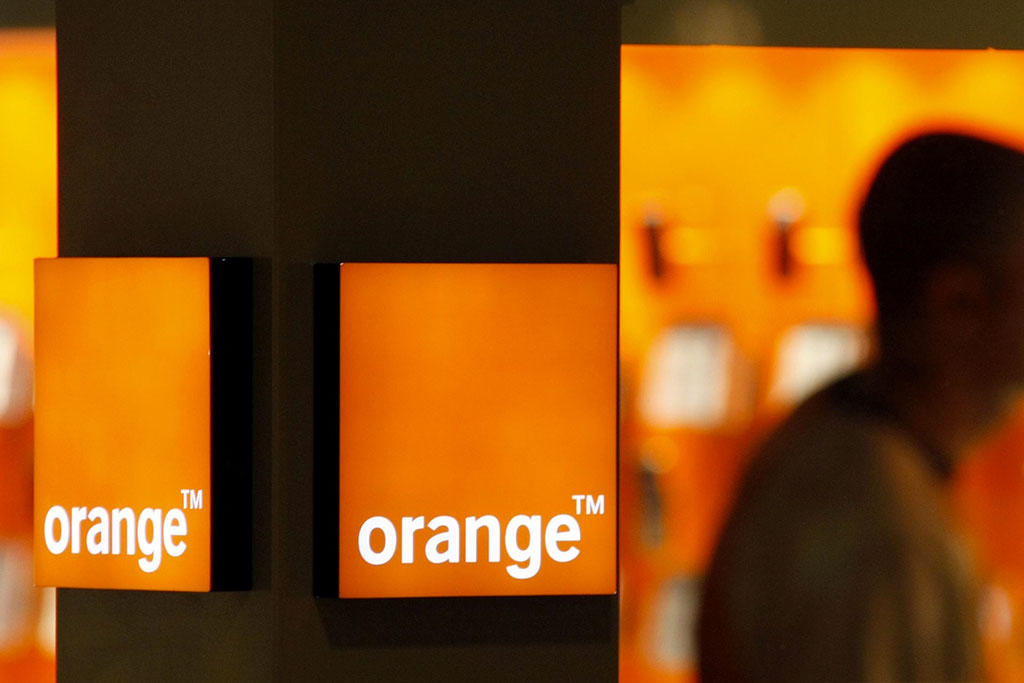
(AOF) – In accordance with the agreement signed in August 2019 between Orange MEA S.A. and the minority shareholders of Orange Niger S.A., and following the approval of the relevant authorities, Orange MEA S.A. has finalized the divestiture of its entire 95.5% stake in Orange Niger to Zamani Com S.A.S. The company Zamani Com S.A.S. is 100% owned by Rimbo Invest of Mohamed Rissa and Greenline Communications of Moctar Thiam, both minority shareholders of Orange Niger.
The company's services will continue to be marketed under the Orange brand during a transition period.
The Africa and Middle East region remains a strategic priority for the Orange Group. However, the market environment in Niger leads Orange to make this decision responsibly, prioritizing business continuity for the benefit of customers, as well as the protection of the interests of the women and men of Orange Niger.
The value of this transaction remains confidential.
AOF – FIND OUT MORE
Orange – Key Takeaways
– Number 1 telecom operator in Europe;
– Revenue of €41.4 billion, structured into 6 major divisions: France at 44%, Spain at 13%, the rest of Europe (mainly Poland) at 14%, Africa-Middle East at 12%, enterprise services at 18%, and international carriers and shared services;
– "Premium" positioning relative to competitors and a profitability growth strategy through the deployment of convergent offerings with nearly 11 million customers in Europe and revenue generation of €7.1 billion;
– Acceleration of free cash flow generation, essential for financing 5G;
– Strong positions in Europe in enterprise services, particularly cybersecurity, strengthened by the acquisition of SecureLink;
– Growth drivers with the launch of banking services in Poland, Africa and France, at a controlled investment cost;
– Favorable treatment for shareholders with a secured dividend of at least €0.70 until 2020 and share programs.
Orange – Key Takeaways
– Unfavorable regulatory framework, marked by increased pressure from regulatory and even political authorities, and state intervention in the group's strategy;
– Sensitivity of stock market valuation to statements from competitors, such as Vodafone;
– Slowdown in revenue growth at the beginning of the year;
– Slow ramp-up of banking activities in France;
– Operating profitability of Poland and enterprise services lower than that of other divisions;
– Yield value in a stock market sector considered structurally deflationary by analysts;
– Evolution of the "ARPU" indicator of service usage by subscribers;
– Execution of Orange Bank's deployment in France: objective of 2 million customers in ten years and a balanced operating profit within 5 to 6 years;
– Integration of German fintech Raisin, specializing in online savings;
– Progress of the file regarding the takeover of Alcatel's submarine cables;
– Outcomes of the R&D partnership with NTT, covering connectivity, 5G networks, cybersecurity and artificial intelligence;
– 2019 objective of slight growth in operating income, a slight decrease in Capex, a debt/EBITDA ratio of around 2 and a dividend of at least €0.70;
– Strong presence of the State in the capital (13.45% directly and 13.5% through the FSI), which affects the stock market valuation.
Telecom Operators
Players are seeking to reinvent themselves in the face of the development of new uses. European operators, whose revenues fell by 17% between 2017 and 2018, must diversify their services in order to retain their customers and thus improve their profitability. In mobile, the average revenue per subscriber fell by 52% in Europe between 2008 and 2016, according to a study published by Sopra Steria Consulting. This trend is explained by market saturation (90% of Europeans have access to fixed and/or mobile internet), the growing demand for content from users and, finally, the virtualization of corporate networks.
By positioning themselves more towards professional clients, the major operators, in search of new growth drivers, are proceeding with market consolidation.
Article sources: Capital.fr